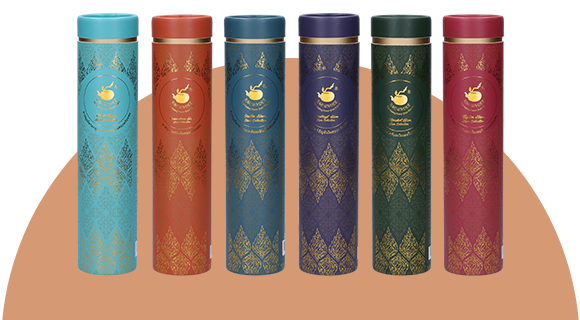


- Modern pottery and https://casoolas.ca offer unique style for discerning home décor enthusiasts
- The Allure of Handmade Pottery: A Timeless Appeal
- The Artistic Process: From Clay to Creation
- Integrating Pottery into Your Home Décor
- Styling Tips: Creating a Cohesive Look
- The Benefits of Supporting Artisans and Small Businesses
- Ethical Considerations: Sustainability and Fair Trade
- Exploring Different Styles of Modern Pottery
- Beyond Functionality: Pottery as Art and Conversation Starter
Modern pottery and https://casoolas.ca offer unique style for discerning home décor enthusiasts
The world of home décor is constantly evolving, with individuals seeking unique pieces that reflect their personal style and sophistication. Finding items that genuinely stand out can be a challenge, leading many to explore the realm of handcrafted artistry. For those with a discerning eye and an appreciation for quality, https://casoolas.ca presents a curated collection of modern pottery that elevates interior spaces. From functional tableware to captivating sculptural pieces, the designs available offer a distinctive touch for any home.
Contemporary pottery isn't merely about aesthetics; it’s about connecting with the artistry and the maker. Each piece carries a story, a testament to the skill and creativity involved in its creation. The growing popularity of handmade goods signals a shift away from mass-produced items toward a desire for authenticity and individuality. Selecting handcrafted pottery, like those offered through Casoolas, allows homeowners to infuse their environments with warmth, character, and a sense of understated luxury. It’s an investment in pieces that will be treasured for years to come, rather than quickly discarded with changing trends.
The Allure of Handmade Pottery: A Timeless Appeal
Handmade pottery possesses a quality that mass-produced items simply cannot replicate. It’s the subtle imperfections, the unique textures, and the visible marks of the artist’s hand that imbue each piece with character. This inherent individuality is what draws many collectors and home décor enthusiasts to choose pottery created by skilled artisans. The process itself is often steeped in tradition, drawing upon techniques refined over centuries, yet is often re-imagined and infused with contemporary designs, resulting in creations that are both timeless and relevant. This blend of history and innovation is a key element of the appeal.
The Artistic Process: From Clay to Creation
The creation of pottery is a multifaceted process, beginning with the selection of the clay itself. Different types of clay offer varying degrees of plasticity, strength, and color, influencing the final aesthetic and functionality of the piece. The shaping process, whether through wheel throwing, hand-building, or molding, requires considerable skill and precision. Once formed, the pottery undergoes a rigorous drying period followed by a carefully controlled firing process. The glaze, another crucial element, is applied before a second firing, transforming the piece and giving it its final color and surface texture. Each step demands patience, expertise, and a deep understanding of the material.
| Earthenware | 800-1100 | Flower pots, decorative items | Porous, requires glazing for waterproofing |
| Stoneware | 1200-1300 | Dinnerware, kitchenware | Durable, non-porous, suitable for functional use |
| Porcelain | 1200-1400 | Fine china, delicate sculptures | Translucent, very strong, often used for high-end pieces |
Understanding the variations in clay and firing techniques allows for a greater appreciation of the skill involved in pottery making. This knowledge can also inform a discerning buyer’s choices, enabling them to select pieces that not only match their aesthetic preferences but are also well-suited to their intended purpose.
Integrating Pottery into Your Home Décor
Pottery offers remarkable versatility in home décor, seamlessly integrating into a wide range of styles. From rustic farmhouse kitchens to minimalist modern living rooms, there’s a piece of pottery to complement every aesthetic. Its inherent texture and organic form can add warmth and visual interest to any space. Consider using a collection of ceramic vases to display fresh flowers, or incorporating handcrafted bowls and plates into your dining table setting. Even small decorative pieces, such as figurines or planters, can add a touch of personality and charm to shelves and window sills.
Styling Tips: Creating a Cohesive Look
When incorporating pottery into your décor, consider the color palette and overall style of your space. Neutral-toned pottery, such as whites, grays, and creams, can provide a calming backdrop, allowing other elements to take center stage. Alternatively, pottery with bold colors and patterns can serve as a statement piece, injecting personality and energy into a room. Grouping pieces of varying sizes and shapes can create visual interest, while maintaining a cohesive look through the use of complementary colors or materials. Don’t be afraid to experiment and find what works best for your individual taste.
- Choose pieces that complement your existing color scheme.
- Mix and match different textures and shapes for visual interest.
- Consider the functionality of the pottery as well as its aesthetic appeal.
- Don't overcrowd a space; allow each piece to breathe.
- Invest in quality pieces that will last for years to come.
Thoughtful placement and styling are key to maximizing the impact of pottery in your home. It’s about creating a harmonious blend of functionality, artistry, and personal expression.
The Benefits of Supporting Artisans and Small Businesses
Choosing handmade pottery from artisans like those featured at https://casoolas.ca carries benefits that extend beyond simply acquiring a beautiful object. It's a conscious decision to support independent artists, preserve traditional crafts, and contribute to a more sustainable economy. When you purchase from a small business, a larger portion of your money directly supports the creator and their livelihood, unlike purchases from large corporations where profits are often distributed among multiple stakeholders. This direct impact helps foster a vibrant community of artisans and encourages continued innovation.
Ethical Considerations: Sustainability and Fair Trade
Beyond economic support, choosing handmade pottery often aligns with ethical principles of sustainability and fair trade. Artisans are more likely to utilize locally sourced materials and employ environmentally friendly production methods. Furthermore, they often prioritize fair labor practices, ensuring that their skills and creativity are valued and adequately compensated. By opting for handcrafted goods, you are making a statement about your commitment to responsible consumption and a more equitable world. This extends to minimizing your carbon footprint – less shipping and mass production translates into a more environmentally sound choice for discerning consumers.
- Support independent artists and small businesses.
- Preserve traditional crafts and techniques.
- Promote sustainable and ethical production practices.
- Invest in unique, high-quality pieces.
- Contribute to a more vibrant and equitable economy.
The choice to support artisans is a choice to invest in not just a product, but in a community, a tradition, and a set of values.
Exploring Different Styles of Modern Pottery
Modern pottery encompasses a vast array of styles, from minimalist and geometric designs to organic and textured forms. There's a style to suit every aesthetic preference, allowing for a truly personalized expression. Raku pottery, known for its iridescent glazes and unique crackling patterns, offers a dramatic and unpredictable aesthetic. Sgraffito pottery, adorned with intricate carved designs, showcases the artist’s meticulous attention to detail. And wheel-thrown pottery, with its subtle imperfections and organic shapes, embodies the beauty of the handmade.
Understanding the different techniques and styles can empower you to make informed choices and curate a collection that reflects your individual taste. Whether you're drawn to the clean lines of Scandinavian design or the rustic charm of Japanese wabi-sabi, there are countless options to explore. The beauty of modern pottery lies in its diversity and its ability to transform ordinary spaces into extraordinary ones.
Beyond Functionality: Pottery as Art and Conversation Starter
While pottery undeniably serves functional purposes – holding food, displaying flowers, or simply adding a decorative touch – its value extends far beyond its practical applications. A beautifully crafted ceramic piece can be considered a work of art, a testament to the artist’s skill and vision. It can become a focal point in a room, sparking conversation and inviting contemplation. Selecting pieces that resonate with your personal aesthetic is a way to infuse your home with meaning and tell a story about your values and interests.
Consider a striking sculptural piece as a centerpiece, or a collection of unique mugs as a daily reminder of the artistry and craftsmanship that exists in the world. Pottery isn’t merely an object; it’s an experience, a connection to the past, and an embodiment of creativity. It’s a reminder to appreciate the beauty that surrounds us and to support the individuals who bring that beauty to life.